Analytical Thinking
Evidence first. Logic tight. No wasted words.
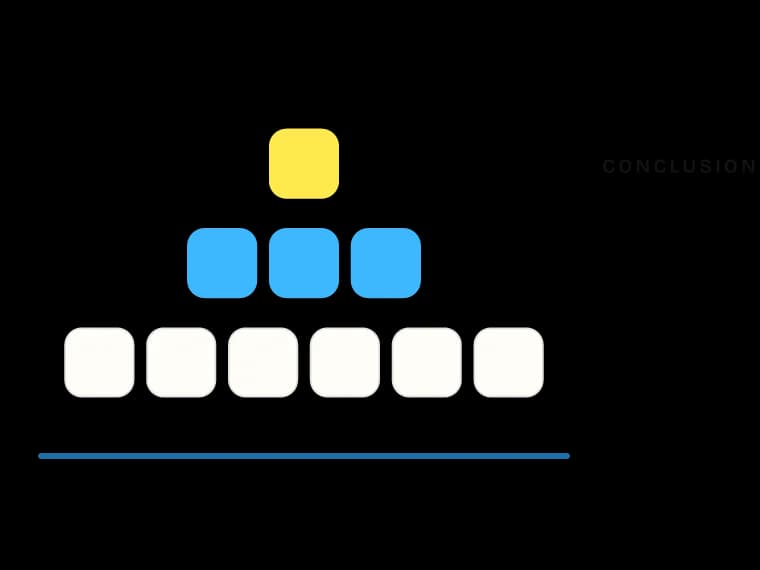
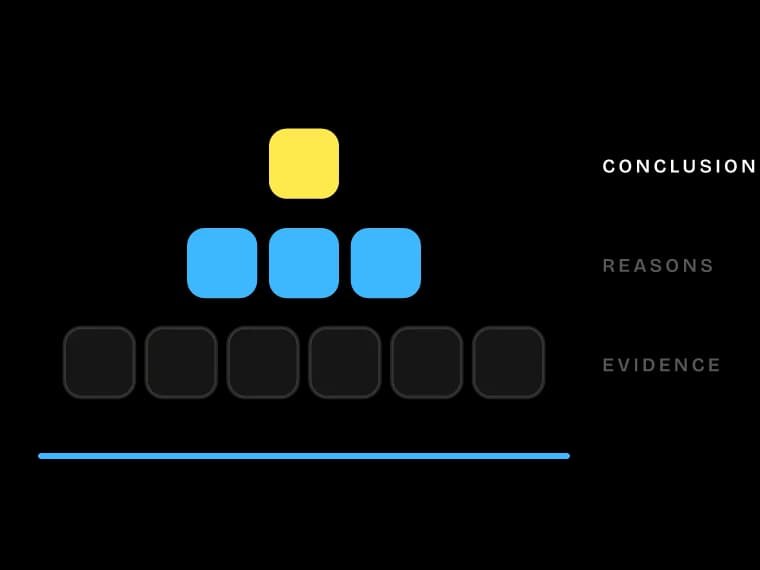
- 1Why Traceable Thinking Wins Rooms
- 2What It Sounds Like In A Meeting
- 3The Models That Sharpen It
- 4The Shapes That Carry An Argument
- 5Training It Under Pressure
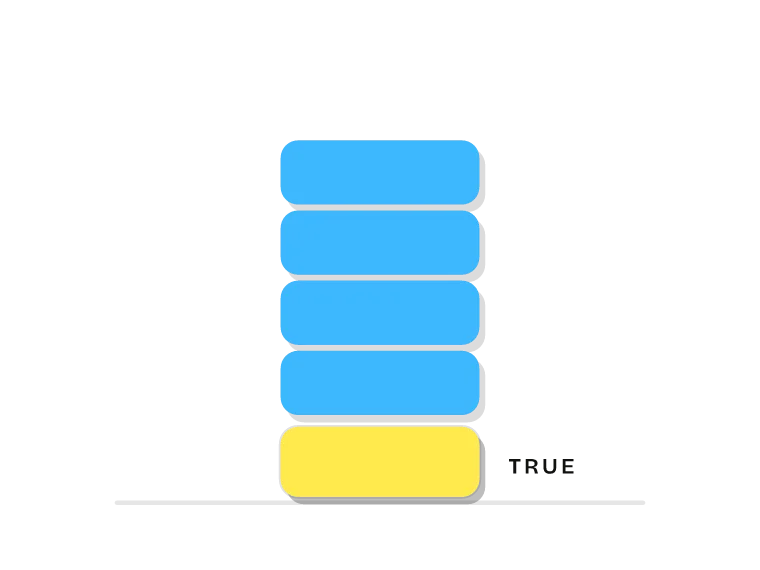
Speaking is the output. These are the inputs, stacked from what you know to how you think and express it. Every drill feeds a layer, and everything you read is there to be used out loud.
Frameworks: Hot Seat, Framework Drill. Mental Models: Reframe Challenge, So What Ladder, Mental Models. Knowledge Base: Word Association, Don't Say It, Concept Bridge.
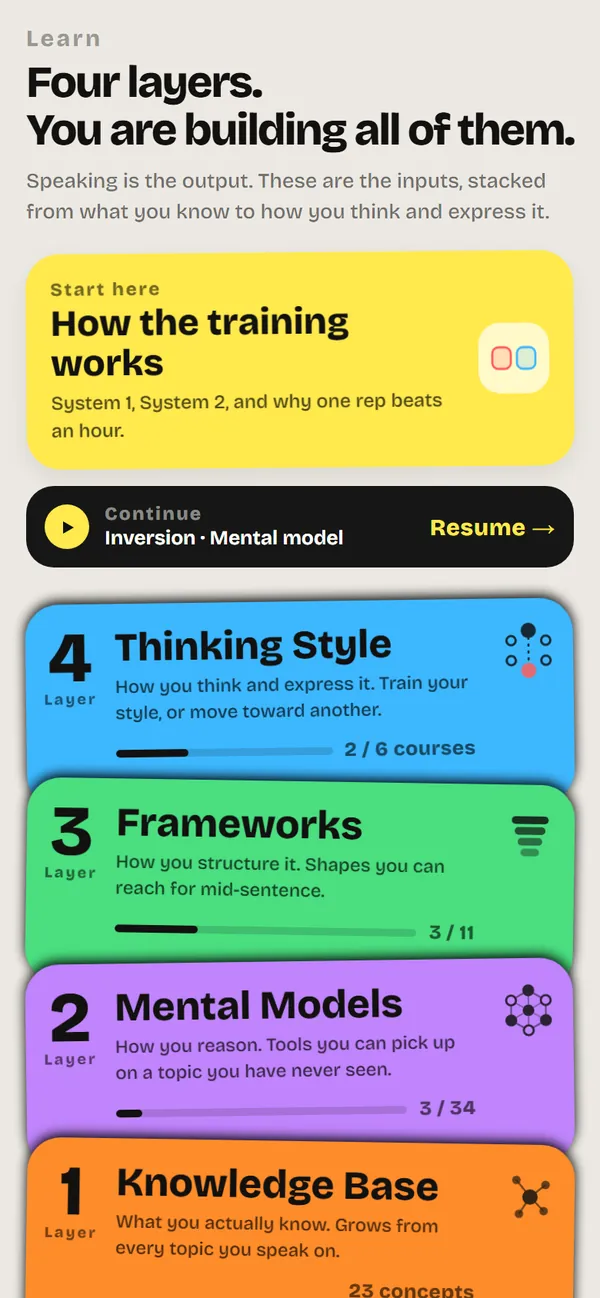
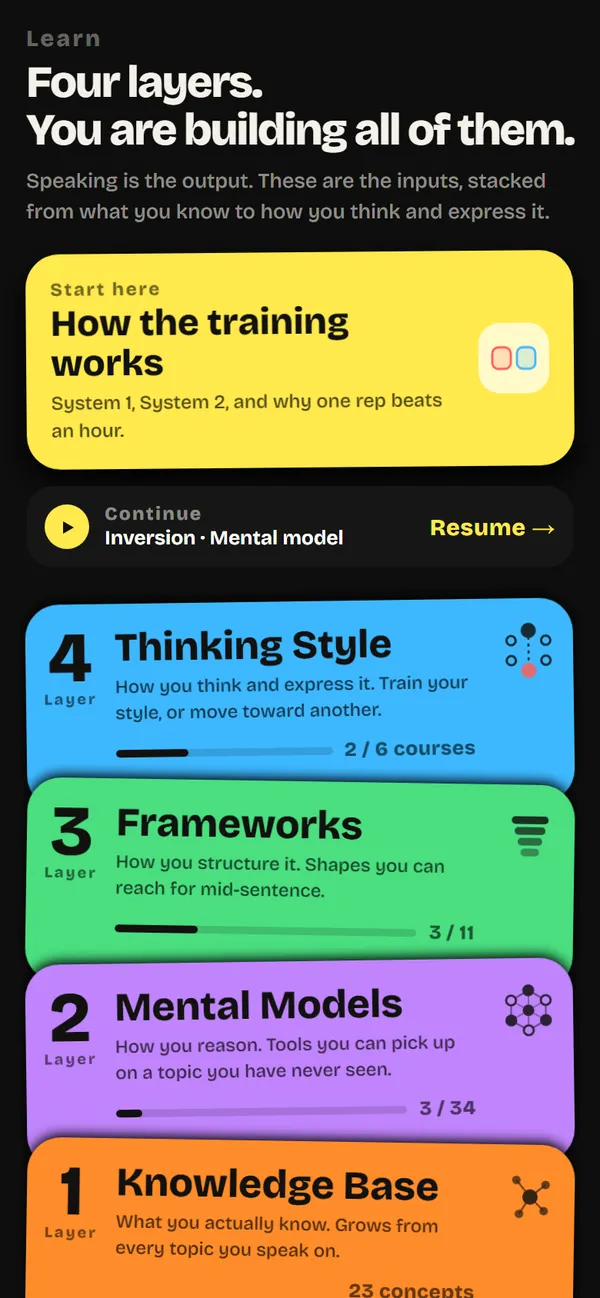
App screen with sample data.
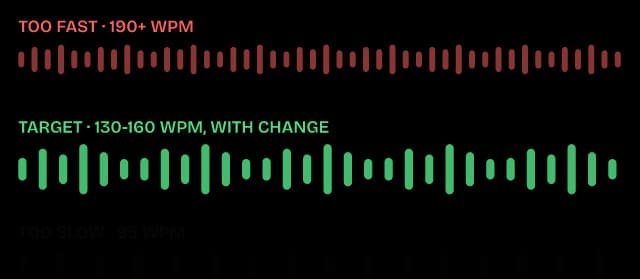

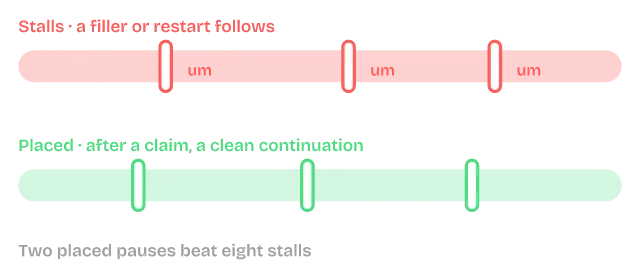
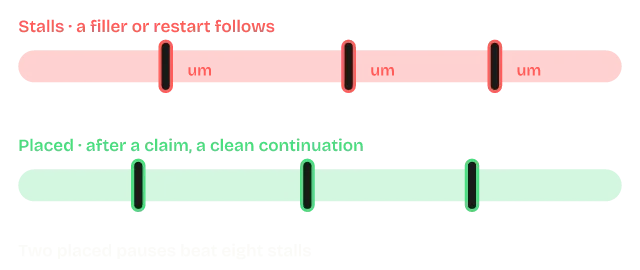
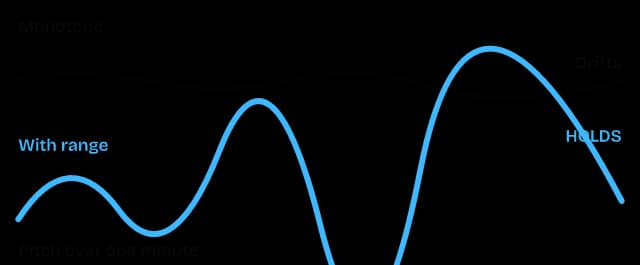

Each course has five chapters of seven short cards, each card a paragraph and a piece of animated artwork, and a closing card to remember. Chapters open in order, and your daily program brings them to you.
Evidence first. Logic tight. No wasted words.
See the loop, not the event.
The best questions are arguments in disguise.
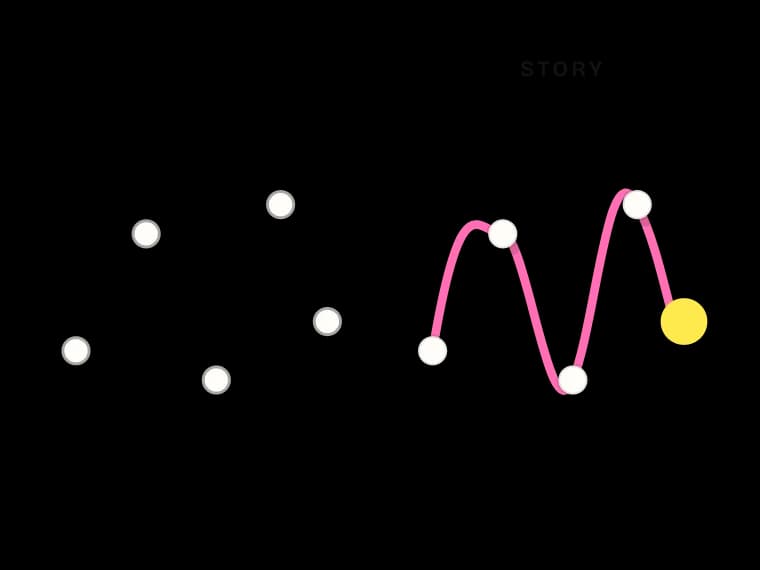
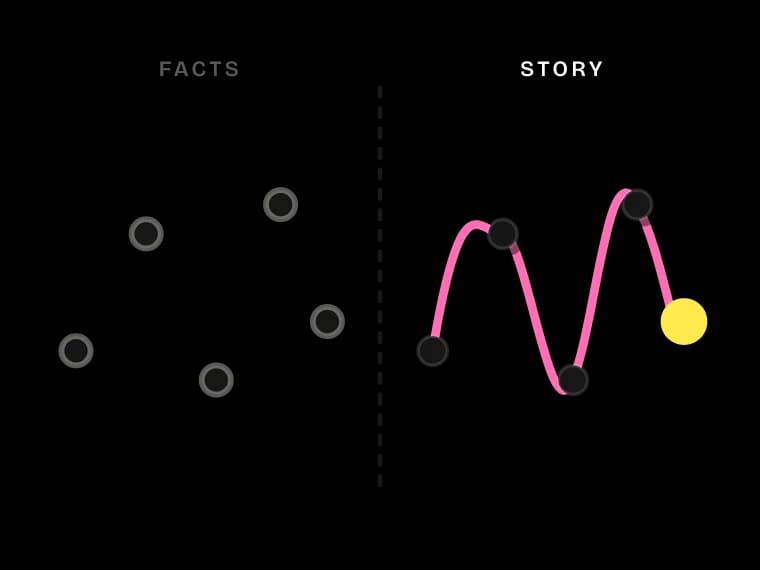
Facts inform. Stories move people.
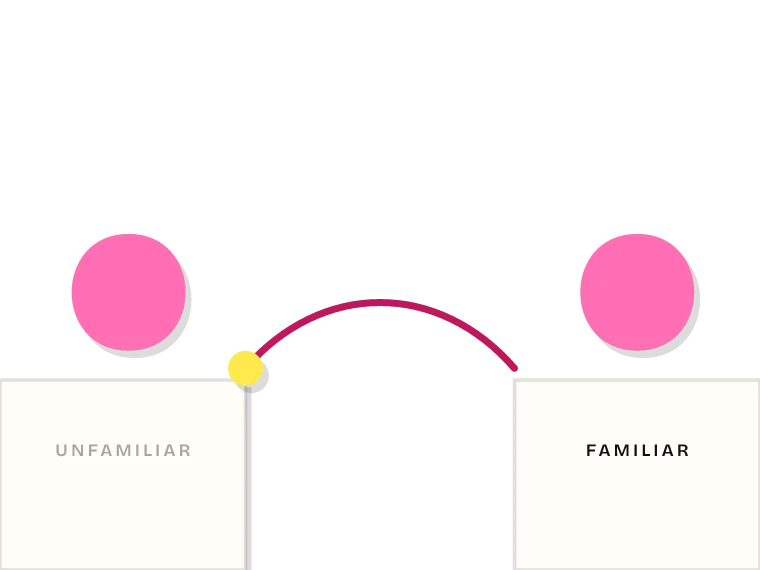
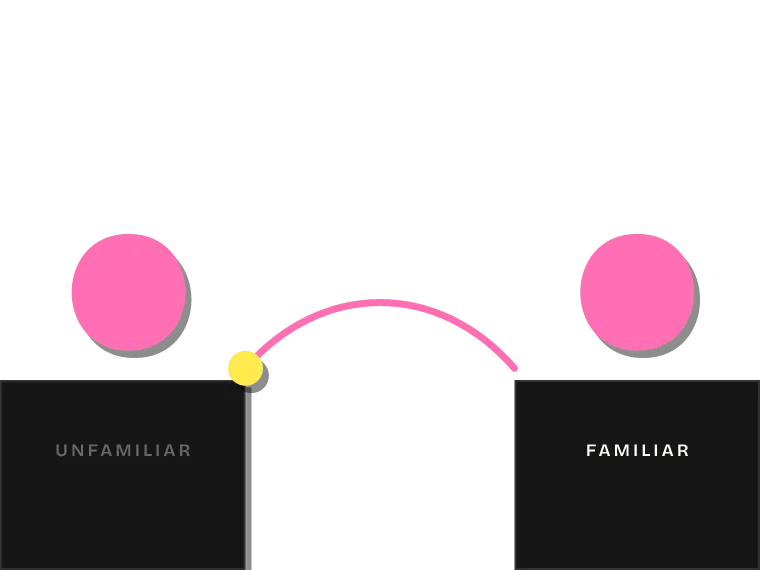
Break the groove. Find the connection.
Being right is not enough.
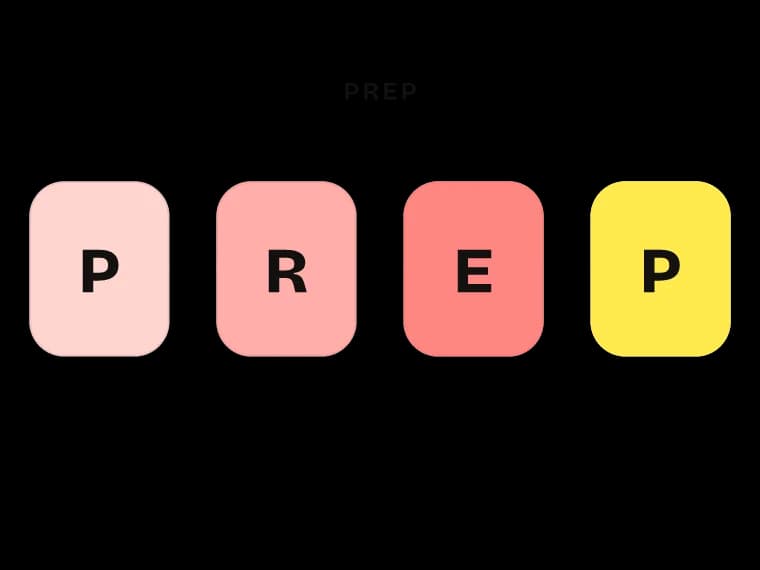
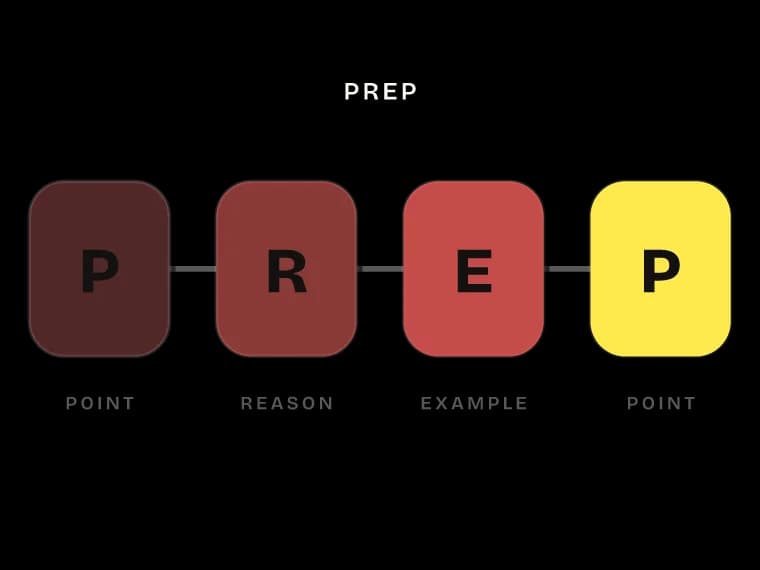
Eleven frameworks, each a shape an answer can take. Frameworks are not interchangeable. The occasion decides.
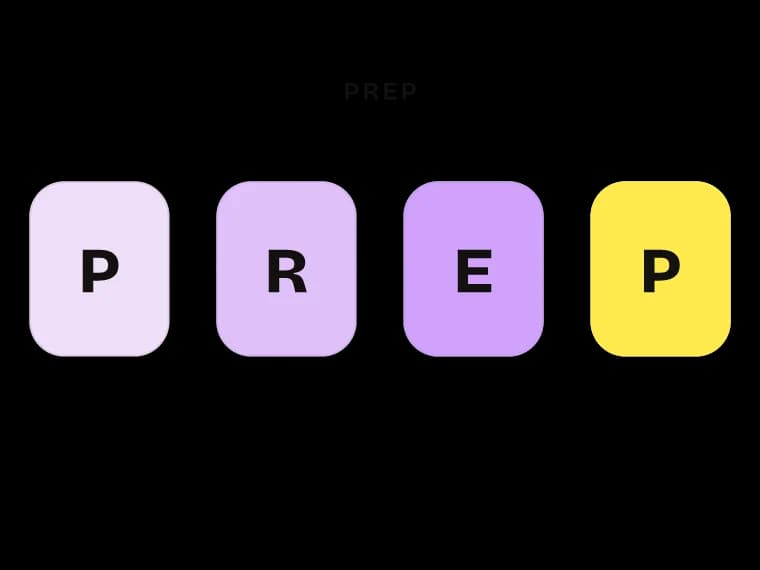
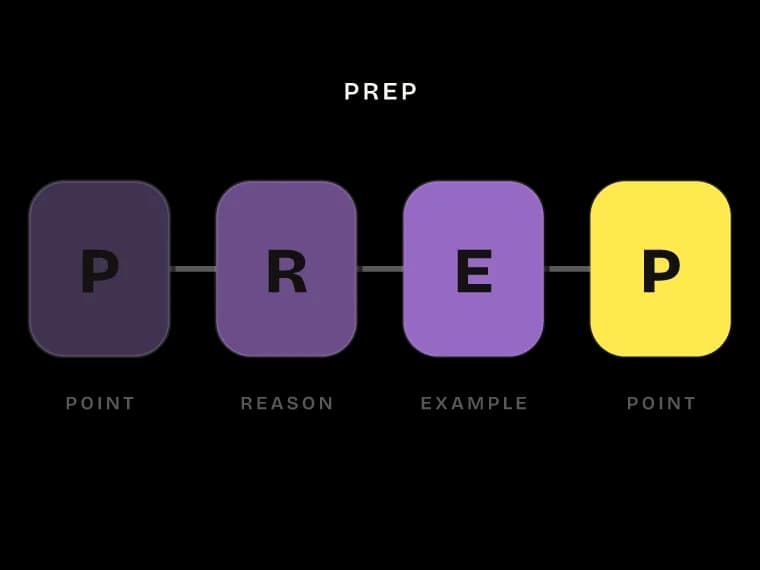
Point, Reason, Example, Point
The simplest structured answer. One idea, three moves.
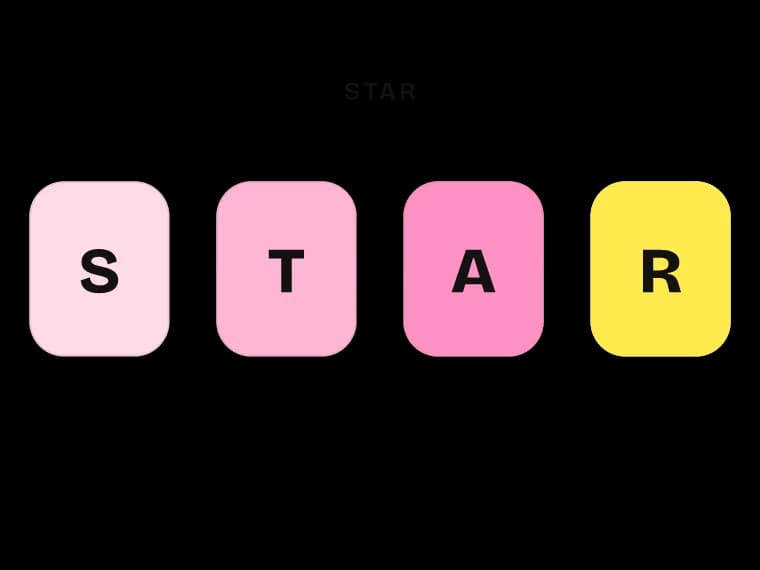
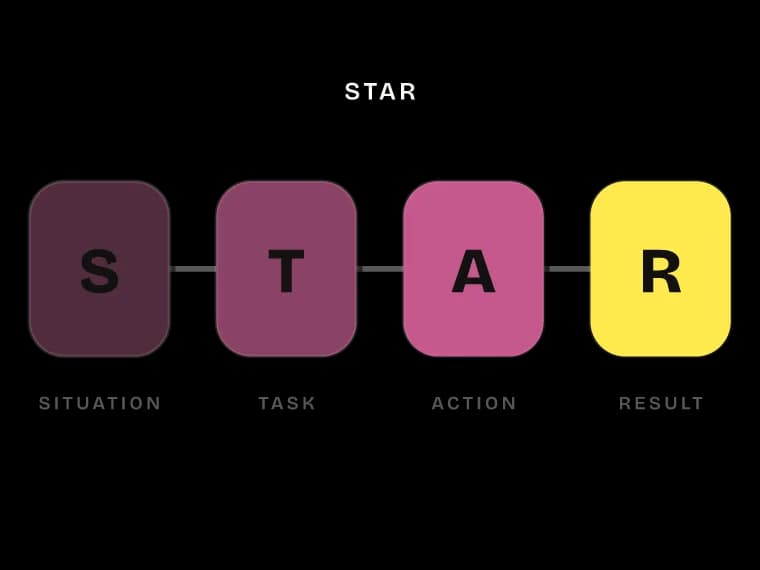
Situation, Task, Action, Result
A narrative shape for describing something that happened.
People process and remember in threes.
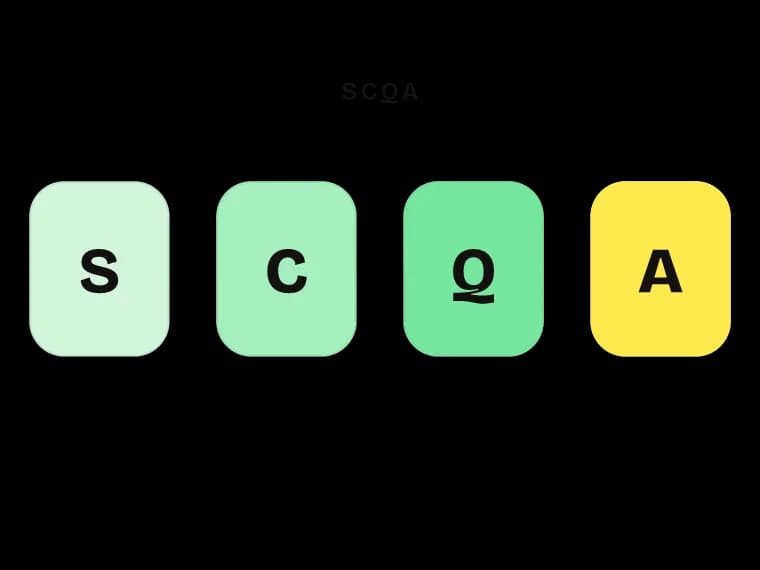
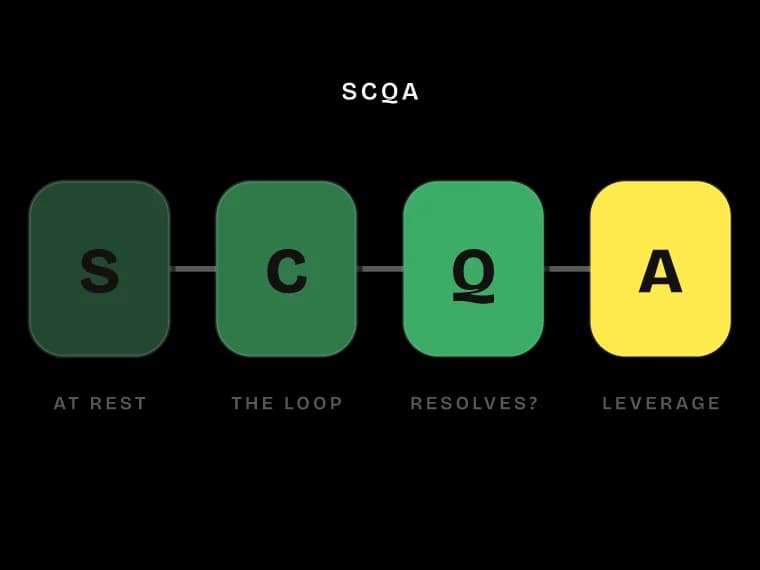
Situation, Complication, Question, Answer
Structure an analytical argument and lead with the answer.
Top-down: the conclusion first, then arguments that do not overlap.
Persuasion in three beats.
The current pain, a better future, and the bridge between them.
An observation, what it implies, and what to do about it.
The engine of every joke and every memorable beat.
The pitch structure.
Who, what, when, where, why
A checklist for the facts. In Learn, not in the drill.
The occasions in the Framework Drill, and the frameworks that fit each one best.

STAR, PREP. Also works: Rule of Three, What, So What, Now What

SCQA, Pyramid. Also works: Before-After-Bridge

Pyramid, Rule of Three. Also works: Problem-Solution-Benefit, PREP

SCQA, Before-After-Bridge. Also works: What, So What, Now What, PREP

Hook-Story-Offer, PREP

Setup-Tension-Punchline
Fifty-two models, started from Charlie Munger's idea of a latticework. 34 are core: you learn them, test them, apply them and train them. Eighteen more, mostly biases, sit in a library to browse.
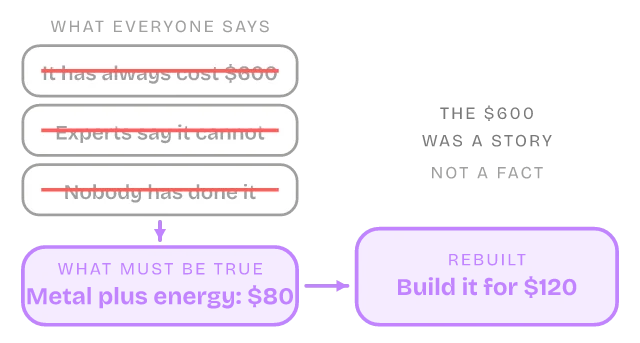
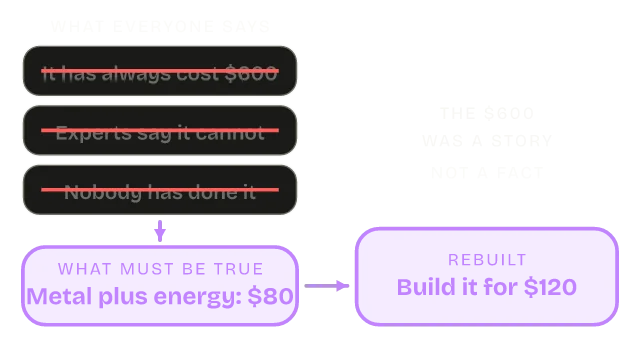
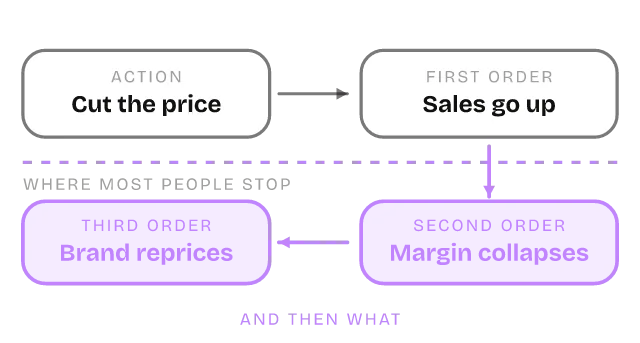
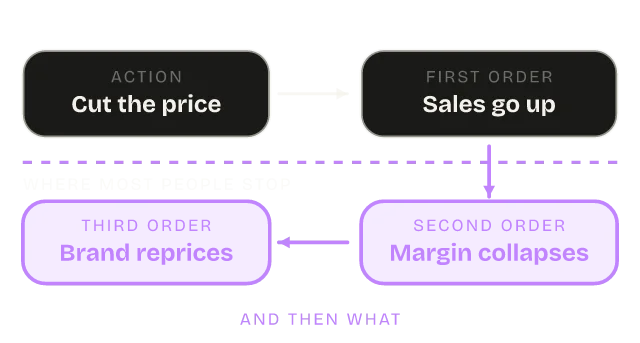
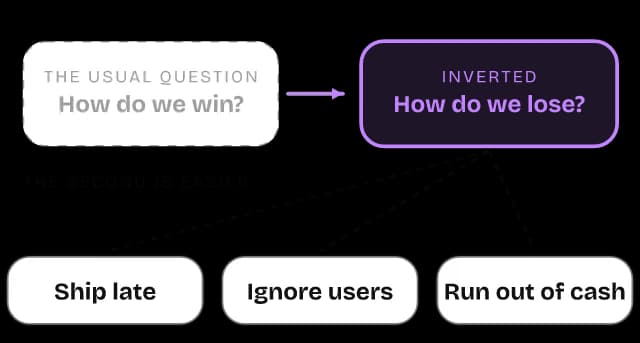
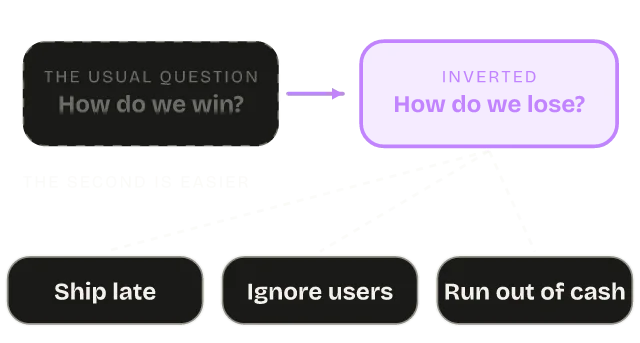
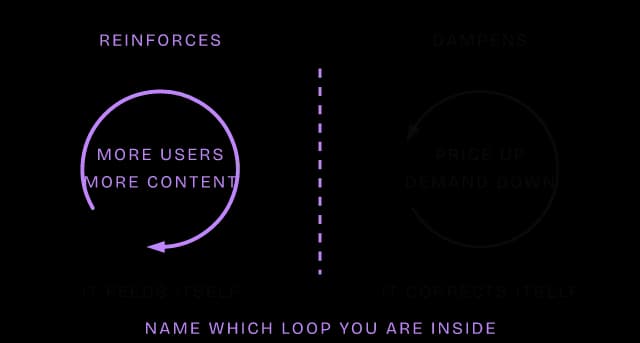
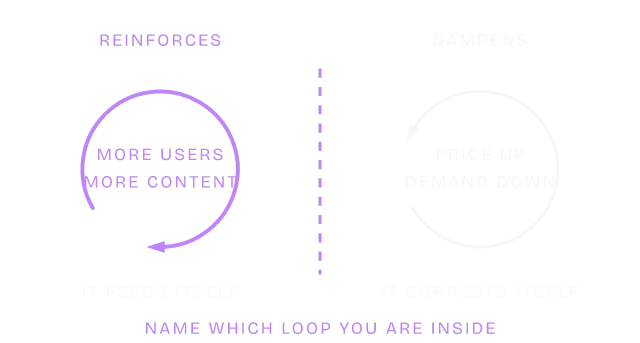
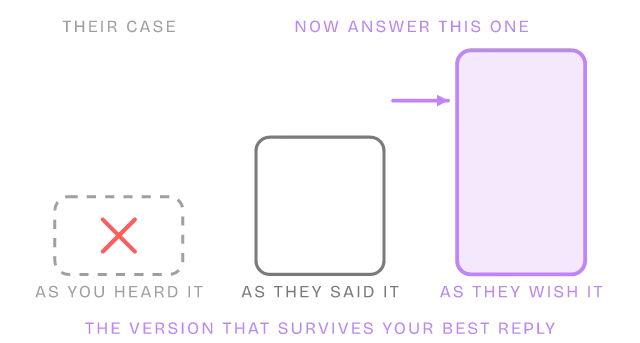
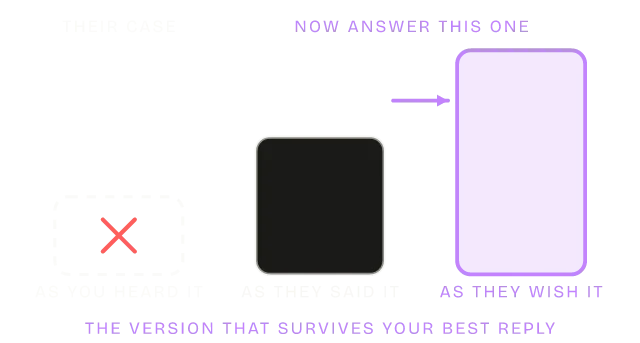
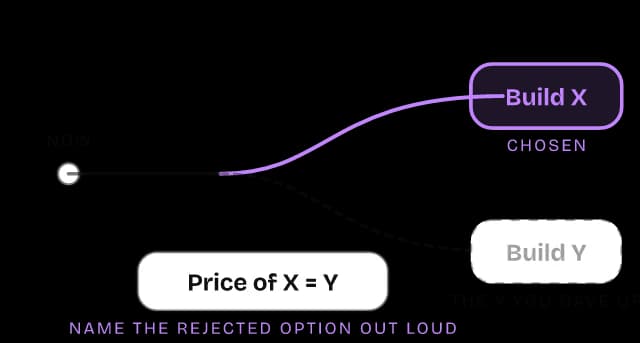
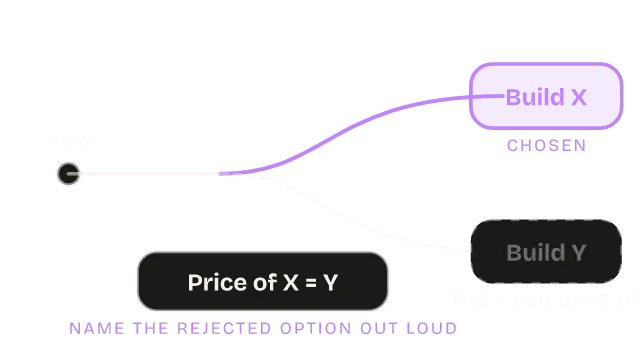

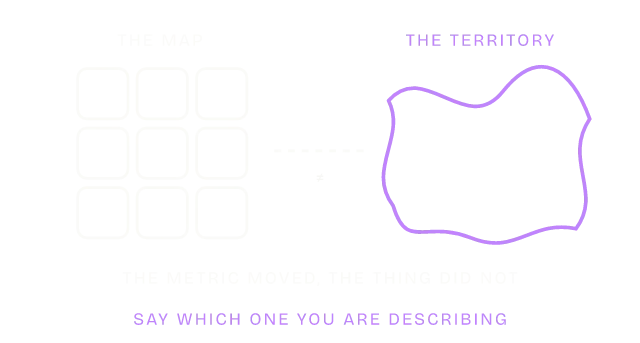

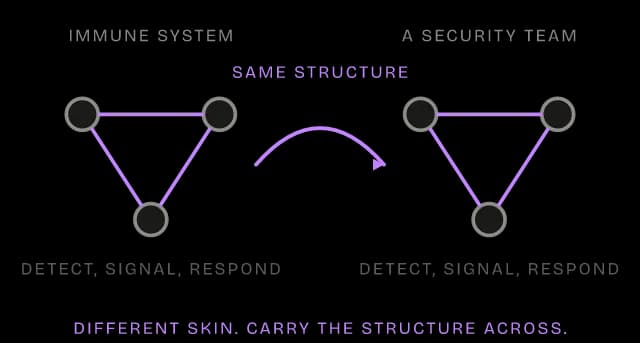
Inversion, Circle of Competence, Second-Order Thinking, Occam's Razor, Filters, Two-Track Analysis, First Principles, Steel-man, Map vs Territory, Falsifiability, Analogy
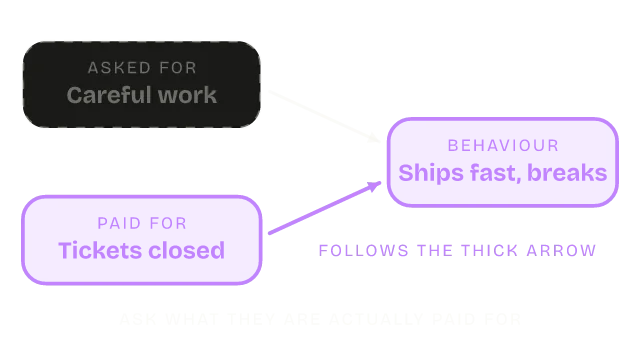
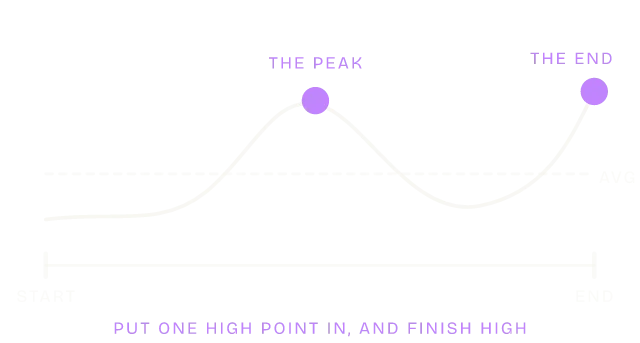
Incentives, Twaddle Tendency, Reason-Respecting Tendency, Lollapalooza Effect, Identifiable Victim Effect, Curse of Knowledge, Peak-End Rule, Concreteness Effect, Narrative Transportation, Functional Fixedness
Redundancy, Margin of Safety, Critical Mass, Feedback Loops, Bottlenecks
Opportunity Cost, Price Signals, Scale Effects, Disruption
Natural Selection, Ecosystems
Compounding, Base Rates
ThinkProv leans on a few well-known ideas about how skills are learned. We use them as design rules, not as promises.
Thinking has a fast, automatic side and a slow, deliberate one. Reading puts a move in the slow side. Only producing it under time pressure, again and again, moves it to the fast one. That is why every layer is trained out loud.
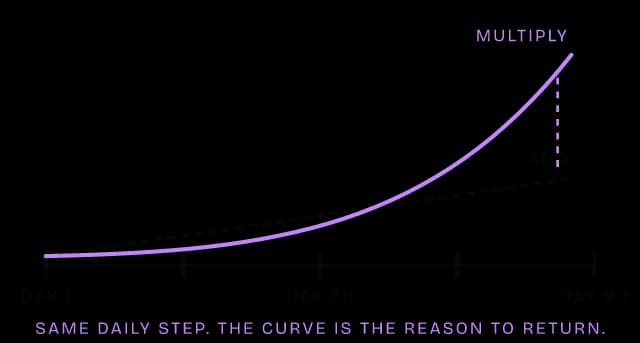
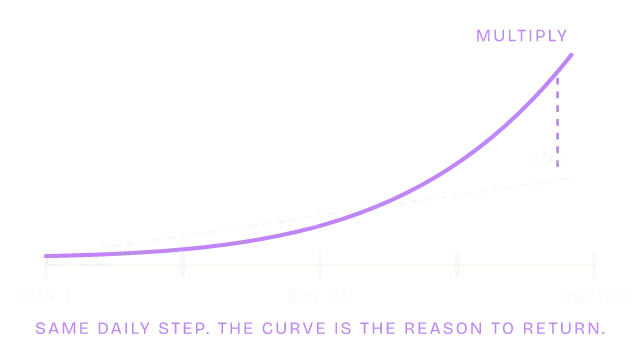
Short reps spread across days beat one long session. The spacing effect has been studied since Ebbinghaus in 1885. A few minutes daily beats an hour once a week, so the program is a short daily one.
Every rep is retrieval practice. Pulling an idea out of memory, on the spot, is what makes it easier to pull out next time. The fast drills are built around exactly that.
Volume is not the variable. What counts is practice aimed at a specific weakness with feedback on it, which is why each day aims at what your recent reps say needs work.
A short daily program that adapts to how your recent reps went.